Tag

Tax Return Deductions

Real Estate Income Tax, Cover Image

Capital Gains Tax on Real Estate

By FIN-Admin General No Comments

Capital Gains Tax on Real Estate in Switzerland

Everything You Need to Know About It

In Switzerland, the real estate market is a key component of the economy and a sought-after investment opportunity for many. If you already own a property or are considering investing in real estate, you need to familiarize yourself with the tax implications involved. One relevant tax in this context is the real estate gains tax. In this blog post, you’ll learn everything you need to know about this tax and how it works in Switzerland.

1 Tax Return for?
2 Your Needs
3 Submit Inquiry

Tax Return for:

What is important to you?

Your personal information:

Salutation
Household members
Do you have any securities?
Are you already a customer of FINWIWO AG?
keyboard_arrow_leftBack
nextkeyboard_arrow_right
1 Tax Return for?
2 Your Needs
3 Submit Inquiry

Tax Return for:

What is important to you?

Your personal information:

Salutation
Household members
Do you have any securities?
Are you already a customer of FINWIWO AG?
keyboard_arrow_leftBack
nextkeyboard_arrow_right

What is the real estate gains tax?

Real estate gains tax, also known as property gains tax or real estate gains levy, is a tax on the profit realized from the sale of real estate. It is calculated based on the difference between the sale price and the original purchase price of the land or property. In Switzerland, this tax is levied by the cantons and municipalities, which means that the specific regulations may vary depending on the location.

Residential Building Complex

How is the real estate gains tax calculated?

Property gains tax is generally calculated by the relevant tax authorities of the canton or municipality where the property is located. The exact calculation methods may vary, but in general, the tax follows a progressive rate schedule, whereby the tax rate increases as the gain increases.
To determine the taxable gain, various costs associated with the sale and purchase of the property are taken into account. These include:

  1. Acquisition cost: The original purchase price of the land or real estate.
  2. Sale expenses: Costs incurred when selling the property, such as real estate agent fees and notary fees.
  3. Value-Adding Investments: The costs of renovations or upgrades that have increased the value of the property.

The profit is then calculated as the difference between the selling price and the total of these costs. Some cantons also grant certain exemptions or deductions to reduce the taxable profit.

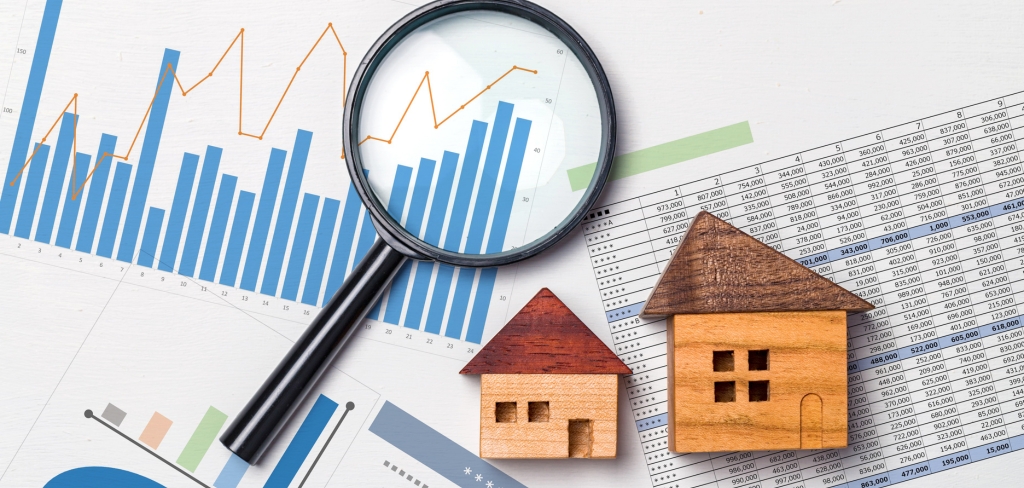
Real Estate Statistics

Tax Exemptions and Exceptions:

In Switzerland, there are certain exceptions and tax exemptions related to real estate gains tax. For example, owner-occupied residential properties that have been owned by the seller for at least two years may be exempt from the tax. There may also be special rules in cases of inheritance or gifts.
It is important to familiarize yourself with the regulations in effect in your canton or municipality in order to take advantage of any potential tax benefits.

Deadlines and Tax Returns:

In general, sellers must file and pay property gains tax within a certain period after the sale. The deadlines may vary by canton, so it is advisable to find out about the relevant requirements in a timely manner to avoid late payment interest or penalties.
To calculate and file the tax return, all relevant documents—such as purchase and sale agreements, as well as receipts for investments and expenses—must be submitted.

Home Tour

Conclusion

Real estate gains tax is an important factor that property owners and potential investors in Switzerland should take into account. It can have a significant impact on the profitability of a real estate transaction. Therefore, it is advisable to thoroughly research the applicable regulations in your canton before selling or buying and, if necessary, seek expert advice.
Keep in mind that tax laws and regulations in Switzerland are subject to change, so you should always stay up to date and make your decisions accordingly. By addressing capital gains tax early on, you can avoid potential surprises and financial burdens and plan your real estate investments optimally.

Rendered Image of the Property
Deductions on a tax return.

Tips for Filing Your Tax Return

By FIN-Admin General No Comments

Tips for Filing Your Tax Return

Tax Tips

Every year, many people find themselves reluctantly filling out their tax returns. With all the stress and confusion involved, it’s easy to overlook one or two opportunities to save on taxes. That’s why many people seek help with their tax returns.

1 Tax Return for?
2 Your Needs
3 Submit Inquiry

Tax Return for:

What is important to you?

Your personal information:

Salutation
Household members
Do you have any securities?
Are you already a customer of FINWIWO AG?
keyboard_arrow_leftBack
nextkeyboard_arrow_right
1 Tax Return for?
2 Your Needs
3 Submit Inquiry

Tax Return for:

What is important to you?

Your personal information:

Salutation
Household members
Do you have any securities?
Are you already a customer of FINWIWO AG?
keyboard_arrow_leftBack
nextkeyboard_arrow_right

Healthcare Costs

The vast majority of costs incurred due to accidents or the treatment of illnesses are covered by health insurance providers or other insurance companies. However, if the financial burden resulting from copayments exceeds two to five percent of net taxable income, the amount exceeding that threshold may be deducted on your tax return. The exact thresholds are set by the cantons and therefore vary from canton to canton.

Donations

Financial support for nonprofit institutions and organizations is also rewarded with tax relief. Amounts up to one-fifth of net income are tax-deductible. In some cantons, donations to political parties and labor unions are also taken into account.

Tax expert at work

Income from Securities

Income from dividends and interest on securities is generally taxable and must be reported on your tax return using your securities portfolio. Especially if you hold a large number of securities, it can be helpful for investors to have their bank prepare a tax statement—which is essentially a way to have this part of the tax return filled out for them.
In most cantons, the costs associated with this are deductible as asset management expenses and can be claimed as a tax deduction.

Asset Management Fees and Negative Interest Rates

If costs or fees are incurred for a securities account, a safe-deposit box, or a safe, these can be reported as asset management costs on your tax return. The same applies to collection fees for coupons and negative interest rates that are not listed in the statement of liabilities. In some cantons, up to 3 per mille of the value of your securities portfolio is considered an asset management cost.
However, fees for consulting services (e.g., having your tax return prepared) or fees related to the purchase and sale of investment securities are not deductible.

Tax Estimate

AHV Contributions After Early Retirement

The obligation to pay AHV contributions generally applies until age 65 for men and age 64 for women. Accordingly, even people who are not employed and early retirees continue to pay contributions as long as they fall within this age range. In these cases, you can report the contributions paid on your tax return and claim them as a deduction.

Property Maintenance

Property owners can claim a portion of the imputed rental value or rental income as a flat-rate deduction for maintenance costs on their tax return. In most cantons, there is an age limit of 10 years for buildings: 10 percent can be deducted for newer properties and 20 percent for all older ones. If the costs of renovations exceed the flat-rate deduction, it is worth claiming the actual amount as a deduction on your tax return instead of the flat-rate deduction. This also includes premiums for property and liability insurance.

Modern Residential Building

Energy-saving measures

Expenses for energy-saving investments are exempt from the requirement to preserve property value and may therefore be deducted even if they result in an increase in property value. These expenses may be claimed on your tax return for up to three years.

Underutilization of Primary Residences and Vacation Homes

Unused rooms or living space can be claimed as a deduction from the imputed rental value on your tax return. In some cantons, however, it’s important to note that the rooms in question must be unfurnished if you wish to claim this deduction on your tax return.
For vacation rentals, the percentage of the property that is rented out annually can also be deducted from the imputed rental value. In some cantons, the depreciation of the furnishings in your own rental property can also be claimed for tax purposes.

Swiss Mountain Hut

Tax Return – These Deductions Are Allowed

By FIN-Admin General No Comments

These deductions are allowed

Filling Out a Tax Return

Filling out tax returns is bad enough on its own. The only silver lining: the deductions. If you need help filling out your tax return, I have a few tips here on how you, too, can get the most out of it. Alternatively, you can have your tax return filled out for you—I’d be happy to help.

1 Tax Return for?
2 Your Needs
3 Submit Inquiry

Tax Return for:

What is important to you?

Your personal information:

Salutation
Household members
Do you have any securities?
Are you already a customer of FINWIWO AG?
keyboard_arrow_leftBack
nextkeyboard_arrow_right
1 Tax Return for?
2 Your Needs
3 Submit Inquiry

Tax Return for:

What is important to you?

Your personal information:

Salutation
Household members
Do you have any securities?
Are you already a customer of FINWIWO AG?
keyboard_arrow_leftBack
nextkeyboard_arrow_right

Support for Family Members

If you provide financial support to a family member and that family member is not required to repay the support, you may be eligible for the “support deduction,” which can be claimed from the federal government in most cantons—though not in all. This is only possible if the family member is of retirement age or older and in need of support. The recipient of the support does not have to pay taxes on the payments.

Long-Term Care Costs

Facts: A family member must move into a nursing home and is responsible for covering the uninsured costs themselves. In this case, it is possible to deduct the costs of actual care as medical expenses. If the daily care requirement is at least 60 minutes, the person is considered to have a disability. In this case, the care costs incurred are considered disability-related expenses. However, pure living expenses and care services provided free of charge are not deductible.

Care and support for seniors.

Commute to Work

Leasing payments for a car—even if it’s used for your daily commute to work—are not tax-deductible. From a strictly legal standpoint, a lease is essentially a rental-like arrangement, and after all, your rent isn’t tax-deductible either.

However, you can generally deduct the cost of public transportation, provided that it would not take you significantly longer to get to work by public transportation than by car. The cantons have different rules regarding the requirements that must be met.

Meals

Let's say you work 50 percent of the time. In this case, you may deduct meal expenses. If your work is spread over, for example, two full days, you can make a pro-rata deduction. However, if you work only in the morning or only in the afternoon, this is not possible.

However, if you are generally able to eat at home during your lunch break, you may not make this deduction. In that case, however, you may claim the additional travel expenses.

If your employer contributes to the cost of lunch, you may only claim the lower flat rate.

Lunch - Meals

Dental Costs

As long as no final tax assessment has been issued, you can still claim any overlooked expenses (such as costs for dental restoration) within the 30-day appeal period. Once this period has expired, however, you will no longer be able to do so. To prevent this from happening, you can have your tax return prepared; I’d be happy to assist you with that.

Healthcare Costs

In most cantons, the deductible for medical expense deductions is five percent of net income. If your medical expenses exceed this amount, you may claim a deduction; otherwise, you may not.

A young woman is sick in bed.

Cost of Living

Unfortunately, you cannot deduct moving expenses—such as those incurred because you have to move to another canton for a new job—since these are considered part of your general living expenses.

For the same reason, the wages paid to a privately employed housekeeper cannot be deducted either, even if both work 100 percent.

Pension Fund and Pillar 3a

If you have made a pension fund purchase, please be aware of the deadlines for claiming this deduction. The date of the purchase—not the date of payment—is what counts. Be especially careful to act within the deadline, as you may otherwise forfeit this deduction. If you have me prepare your tax return, there is no such risk, as I have many years of experience in this area.

If one spouse has received an early withdrawal from their pension fund for any reason, this does not affect the other spouse. The other spouse may make a catch-up contribution to the pension fund and then benefit from the full income tax deduction.

If your unemployment benefits expired two years ago but you still made contributions to Pillar 3a last year, you can only claim the amount if you have an income. Instead, you must request a refund of the contribution from your pension fund. A document from the tax office is required for this. You will receive this when you claim the deduction on your tax return.

Withdrawals from a Pillar 3a account or a pension fund are subject to taxation. The information sheet “Taxation of Withdrawals from Pillar 2 and Pillar 3a” provides an overview of the tax rates at the federal level and in the various cantons. The information sheet “Calculation Examples” lists the specific tax amounts for each canton.

A young woman during a meeting.

Pillar 3b Insurance Premiums

You can claim life insurance premiums only as part of the general insurance deduction. However, this deduction is usually already fully utilized for health insurance premiums.

Weekly Stays

Suppose you were working in the canton of St. Gallen until the end of July of last year. After that, you moved to Basel and have been living there as a weekend resident ever since. You cannot claim deductions for your lodging and meals on weekends, as these are not directly related to your income. All deductions must be work-related out-of-pocket expenses. Since you earned no income after the end of July, you cannot claim any expenses for that period.

If your child is a weekly resident, that child must also claim the additional costs for travel and rent on their tax return—even if the parents cover these costs. Parents can only claim the child tax credit; nothing else.

A commuter working on the train.

Education

Since 2016, it has been possible to claim a tax deduction for educational expenses. Prior to that, these expenses were considered occupational expenses. Now you can claim a deduction for all educational or continuing education programs, as well as expenses for any retraining. However, initial education is excluded from this provision. The maximum tax deduction for federal taxes is 12,000 Swiss francs per year, although it is up to the cantons to set their own maximum amounts.

Child Care

If your parents look after your children on specific days each week and you wish to reimburse them for this in an amount equal to the child care deduction, you may deduct these costs from your income. However, it is important that you include a breakdown of the costs along with payment receipts. Your parents must then report the compensation they receive as taxable income. This is by no means a gift, since you are clearly receiving something in return in the form of childcare.

Childcare at a daycare center, nursery, or preschool.

Premium Reduction

A premium reduction is now forwarded directly to the health insurance company. Previously, you could only deduct the amount you had paid yourself anyway. So you must have this premium reduction credited to your account.

Private School

As a general rule, the costs of your child’s private school cannot be deducted. This is only possible in cases where attendance at a private school is based on a recommendation from a school psychologist. In such cases, the costs are then deducted as disability-related expenses.

Application Costs

If you are currently unemployed, you can deduct the costs of postage, copies, photos, and application portfolios, as these qualify as business expenses. However, if the tax office asks you for details, you should be able to provide documentation for all of these costs.

A young woman at a job interview.

Child Deduction

If your child has completed an apprenticeship during the current calendar year and you have been responsible for the child’s support up to that point, you cannot claim the child deduction on a pro-rata basis. The so-called “cut-off date” rule applies here. This means that only the situation on the cut-off date—December 31—is decisive. If the child is no longer in an apprenticeship on that date, no child tax deduction can be claimed.

You can also contact me at any time to have your tax return prepared.

IT Costs

If you regularly work from home, you cannot deduct the resulting expenses for electricity, cell phone service, and your computer, since your company generally provides you with a workspace at the office and merely grants you the option to work from home.

This also applies to the work-from-home periods mandated by the Federal Council in response to the COVID-19 pandemic. In this case as well, you are not entitled to compensation for any additional costs incurred as a result of working from home.

Freelancer on a Video Call - Technical Equipment